

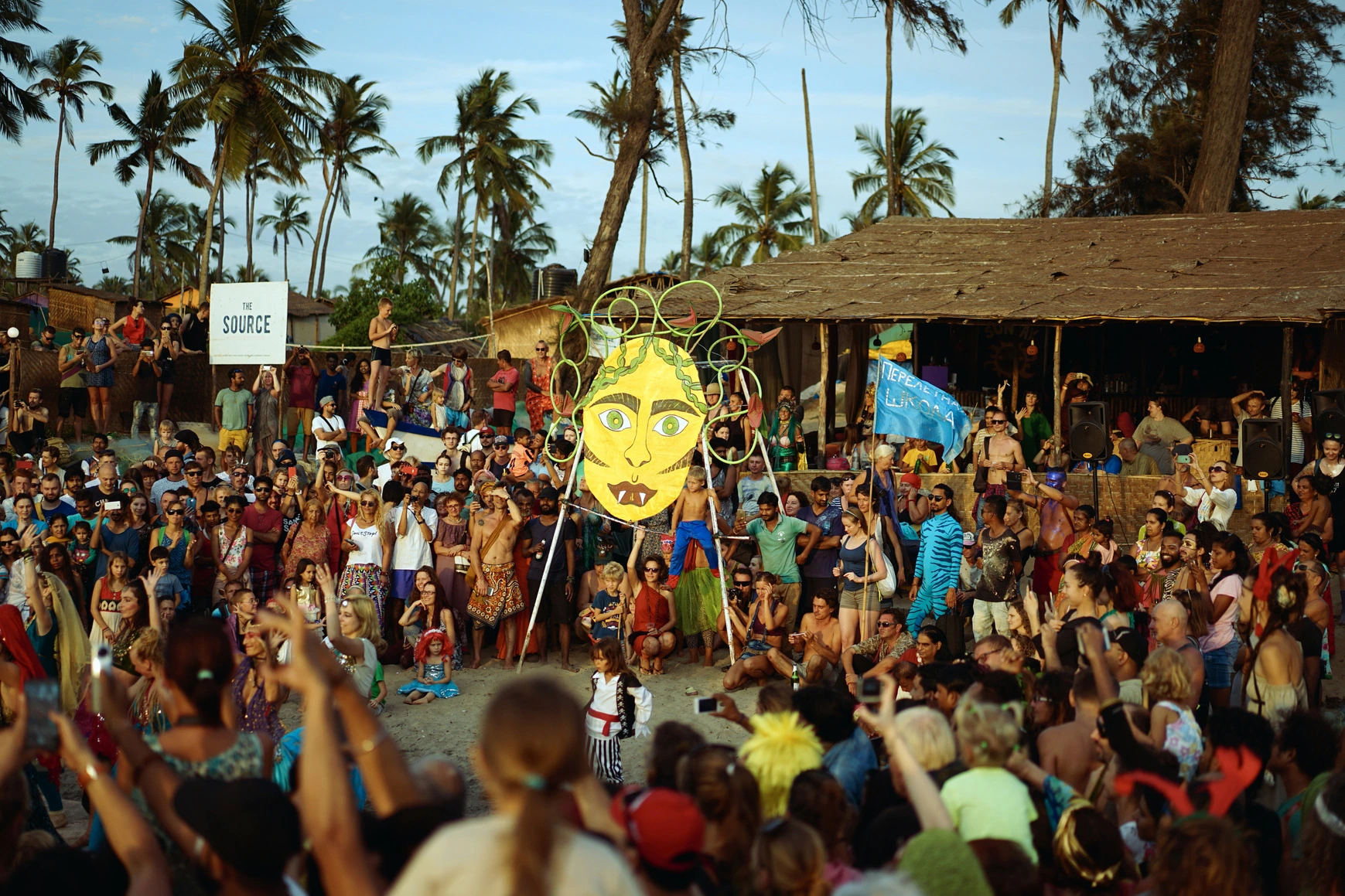
Goa in February feels different. The air is warmer, streets are louder, and there is a sense that something is about to unfold. Goa Carnival 2026 arrives during this time, carrying forward a tradition that has lived on for generations. It is not just a festival to attend but one to move through, where towns become stages, and the celebration spills into everyday life.
Where the Carnival Comes From
Long before it became a reason for travel itineraries, the carnival was a pre-Lenten celebration observed by local communities across Goa. Influenced by Portuguese customs, it grew into a shared ritual of music, humour, colour, and collective participation. Even today, the Carnival festival in Goa is shaped less by spectacle and more by people. Neighbourhood groups, musicians, dancers, and artisans play an active role, keeping the celebration rooted in the community rather than turning it into a standalone event.
Dates and Overall Flow
In 2026, the carnival is expected to take place in mid-February, roughly between 13 and 17 February, with final confirmations announced closer to the date. What makes Carnival in Goa 2026 distinctive is its spread. Instead of being confined to one ground or parade route, it unfolds across towns over several days. Each location brings its own pace, mood, and local flavour, making the experience feel layered rather than repetitive.
How the Parades Unfold
The celebrations traditionally begin with an opening event in Porvorim, setting the tone for the days ahead. Soon after, the capital city hosts its main procession. In Panjim, the parade moves from New Patto Bridge towards Campal Ground, drawing large crowds and some of the most elaborate floats of the festival.
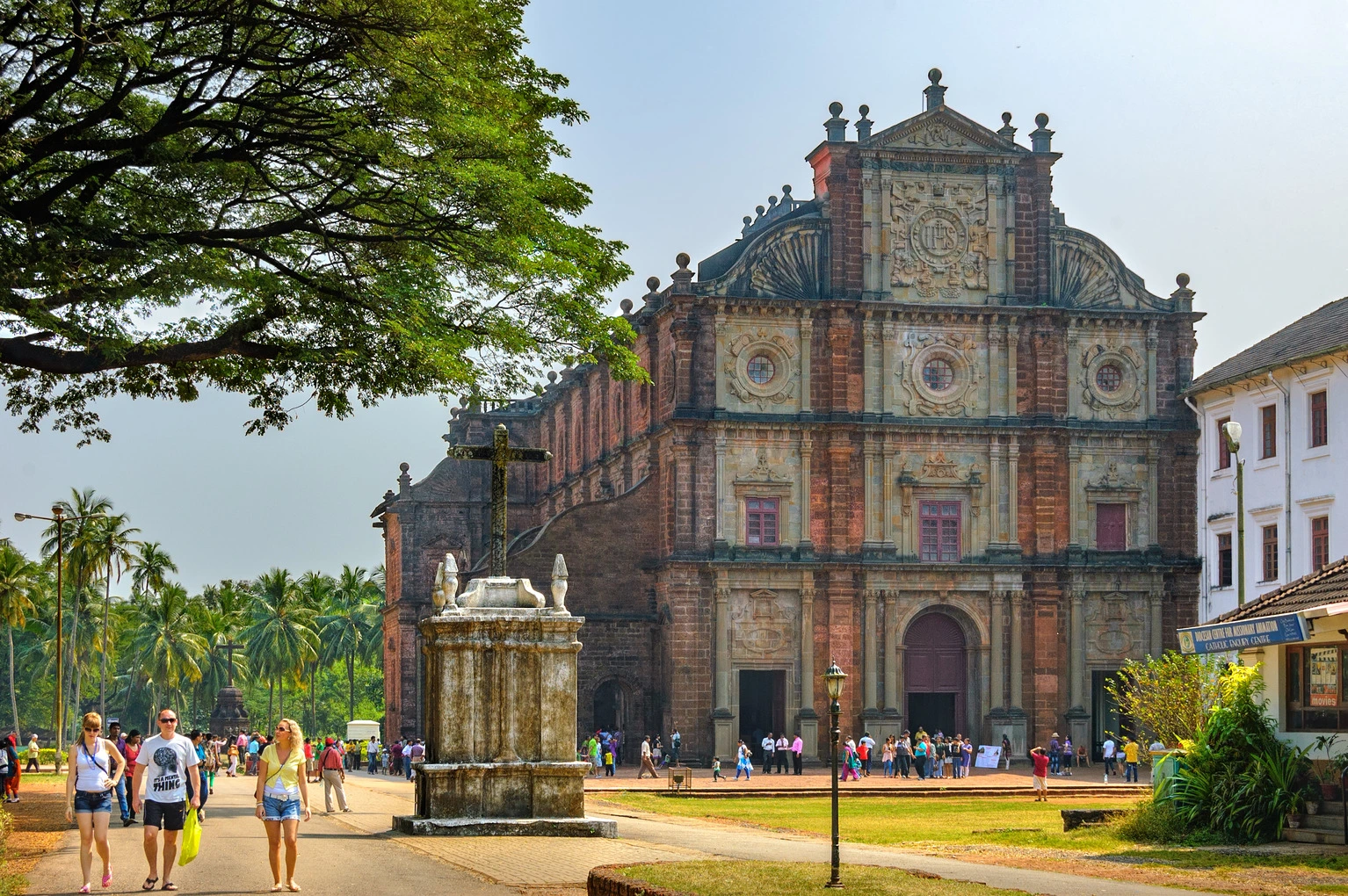
In the south, Margao hosts a parade that usually runs from the Holy Spirit Church to the Municipal Square. This route feels more intimate and community-driven, with strong local participation. Vasco da Gama follows with its own procession from St. Andrew’s Junction to the station area, where the energy remains lively but grounded. The final days often see parades in Mapusa and Morjim, where the carnival blends seamlessly into North Goa’s everyday coastal rhythm.
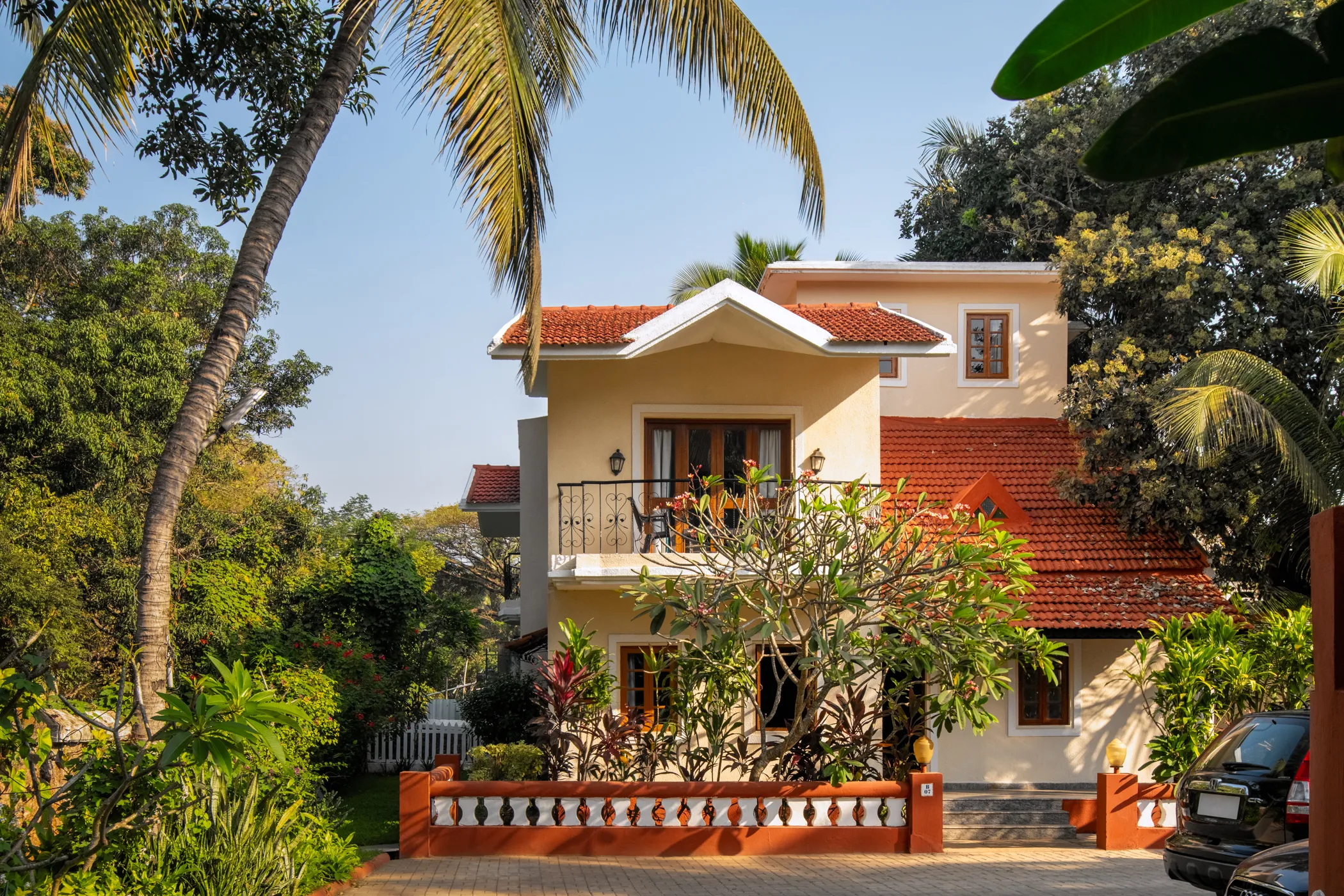
For travellers who want to witness Carnival without staying in the middle of the noise, curated villas in Goa offer proximity without compromise.
What to Expect on the Streets
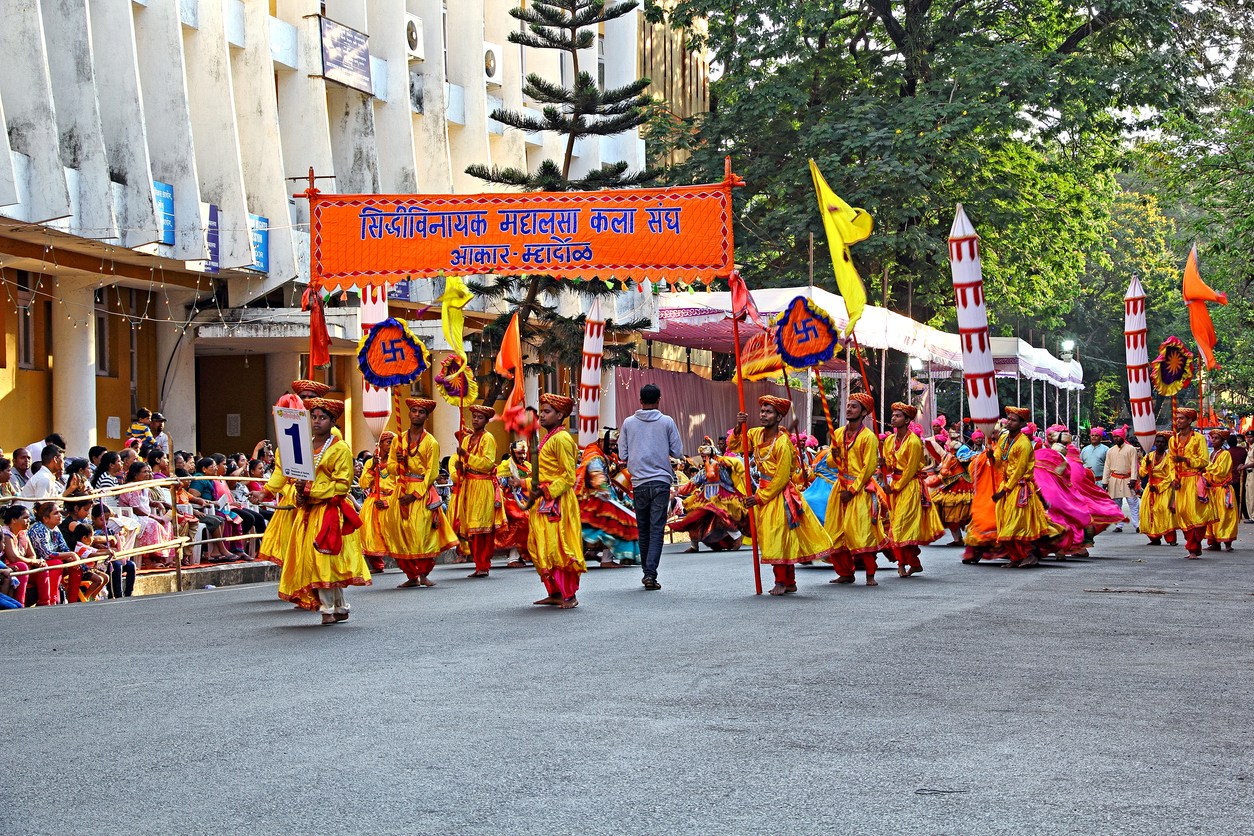
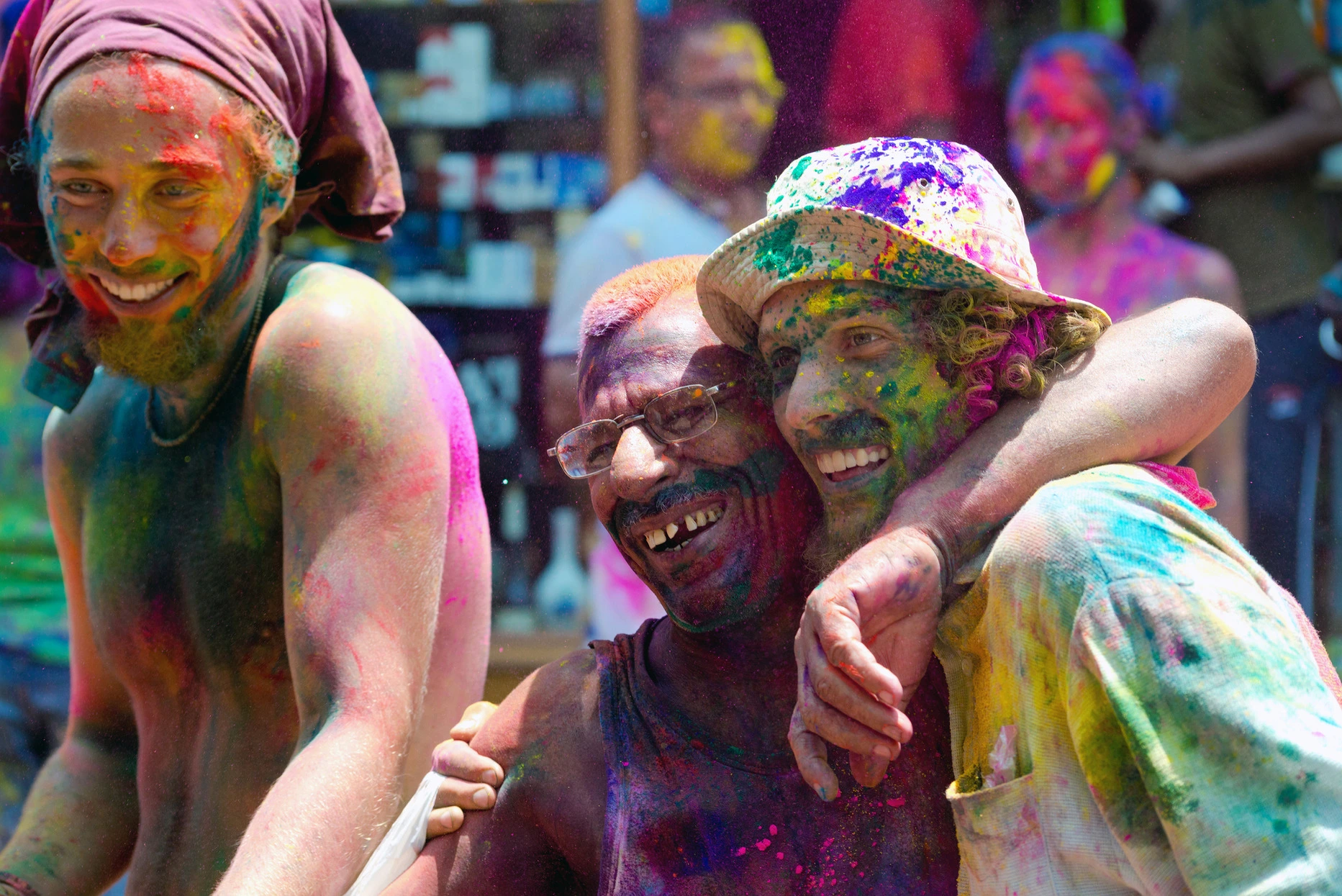
Each parade features decorated floats, live music, and dancers moving through the streets. At the front is King Momo, the symbolic figure who leads the celebration and invites everyone to take part. The atmosphere is energetic and expressive. This is not a festival meant to be watched in silence. The Carnival festival in Goa thrives on sound, colour, movement, and shared moments between performers and spectators.
Planning Your Visit
If you plan to attend, arriving early helps, especially in Panjim and Margao, where viewing spots fill quickly. Moving between towns is easier with prior planning, as traffic diversions and crowds build up are common during parade hours. February weather is generally pleasant, though long hours outdoors call for light clothing, water, and sun protection.
A Different Side of Goa
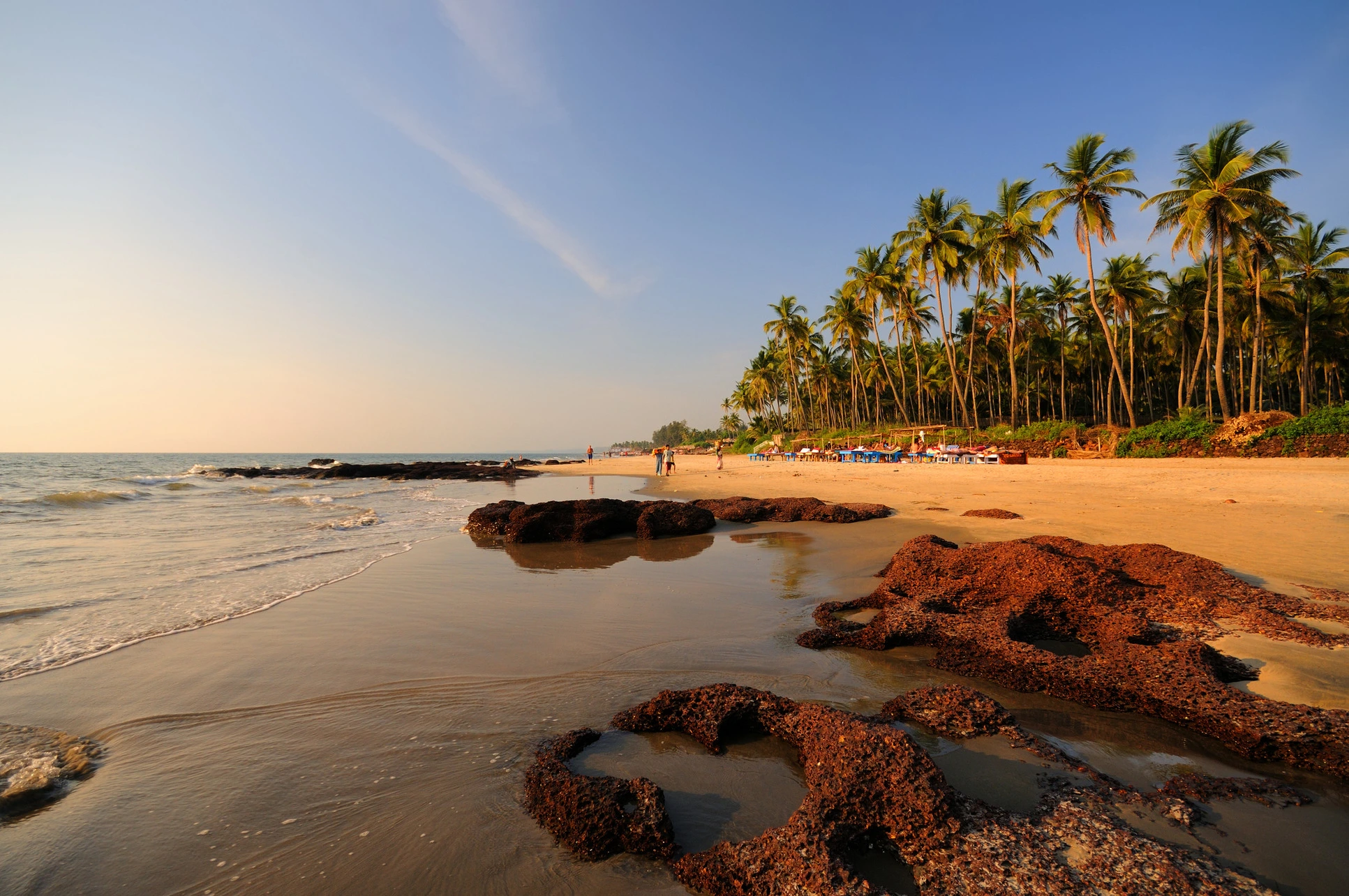
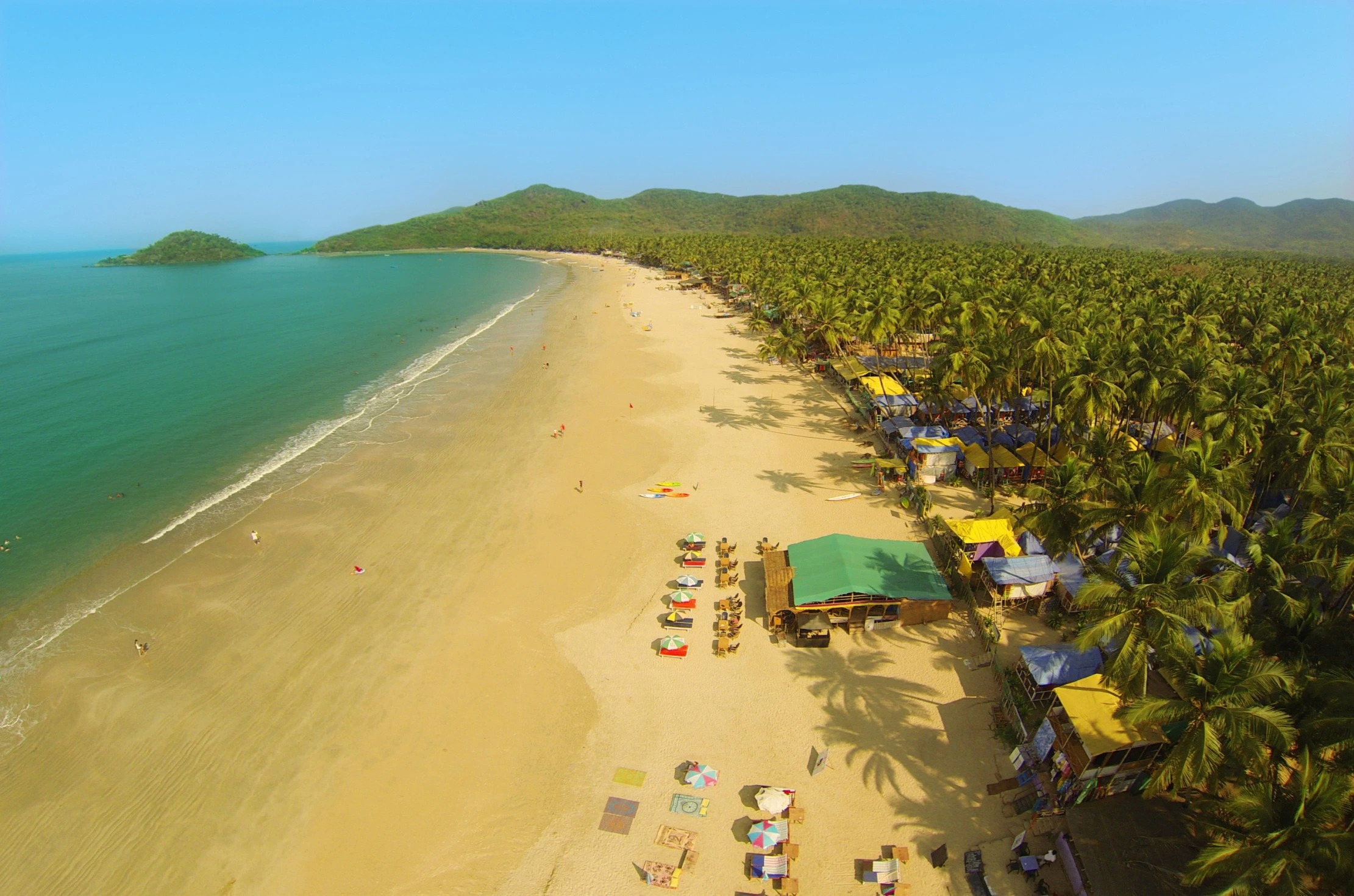
For travellers familiar with quiet beaches and slower days in North Goa, Goa Carnival 2026 offers a striking contrast. It reveals a more expressive side of the region, one rooted in celebration and community rather than stillness. Experiencing both allows for a fuller understanding of Goa beyond its coastline.
Respecting the Space
While the mood is festive, being mindful of local customs, crowd movement, and public spaces matters. Respecting performers, following local guidance, and staying aware of surroundings ensures the celebration remains enjoyable for everyone involved.
Make Space for the Carnival
As you plan your trip, consider marking the dates for Carnival in Goa 2026. With thoughtful preparation, it becomes more than a parade or a festival. It becomes a chance to witness Goan culture as it lives and moves through the streets.


© Copyright 2026, All Rights Reserved.