Goa’s history is best understood on foot. Not only through monuments and grand churches, but through streets, doorways, verandas, and neighbourhood corners that are still part of everyday life. A well-planned Heritage walk Goa experience reveals details that are easy to miss when you move too quickly. The city unfolds gradually when you allow yourself to walk without hurry.
This is not about structured sightseeing with fixed stops and rehearsed commentary. It is about moving slowly and paying attention. A meaningful Heritage walk in goa allows space to pause, observe and absorb.
Walking Through Old Latin Quarters
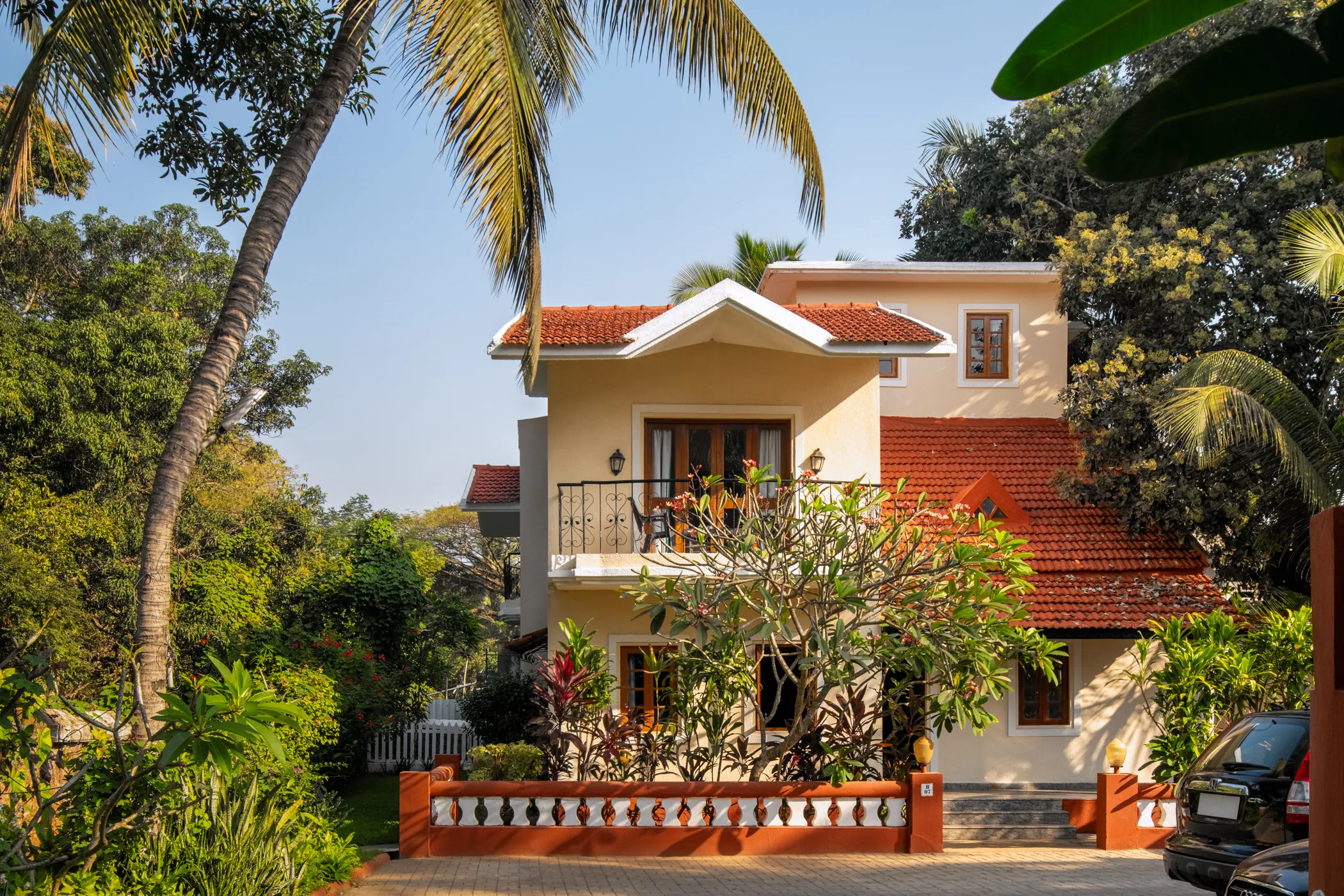
The old Latin quarters are among the most evocative settings for a Heritage walk Goa. The streets are lined with homes painted in soft yellows, faded blues and warm terracotta shades. Balconies project gently over narrow lanes. Oyster shell windows filter light into shaded interiors.
These neighbourhoods reflect Portuguese planning, yet they are not preserved as museum pieces. They remain residential. Scooters pass by. Neighbours exchange greetings. Laundry dries in quiet courtyards. What makes a Goa herigate walk special here is not only the architecture, but the continuity of use.
As you walk, notice how domestic homes remain modest in scale while churches and public buildings rise with quiet prominence. The contrast tells a story of structure and hierarchy without needing elaborate explanation.
River Settlements and Layered Landscapes
Goa’s rivers shaped settlement patterns and trade routes for centuries. A thoughtful Heritage walk Goa along river-adjacent areas reveals how geography influenced architecture. Streets often run parallel to the water. Houses open toward gentle breezes. Old steps descend toward jetties that once connected communities by boat.
The landscape remains active. Fishing boats still dot the horizon. Coconut palms lean over the banks. The experience of a Heritage walk in goa in these areas feels grounded rather than theatrical. History here sits quietly beside daily routines.
Morning walks are especially rewarding. The air is cooler and the light softer. Sounds carry differently across water, adding depth to the experience.
Church Precincts and Market Towns
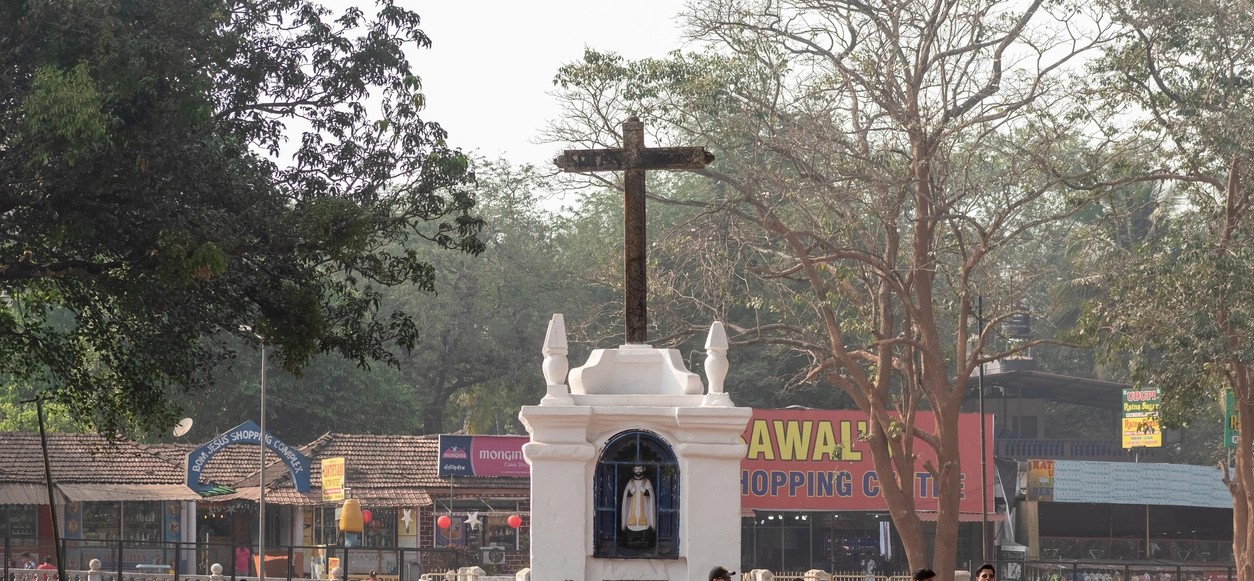
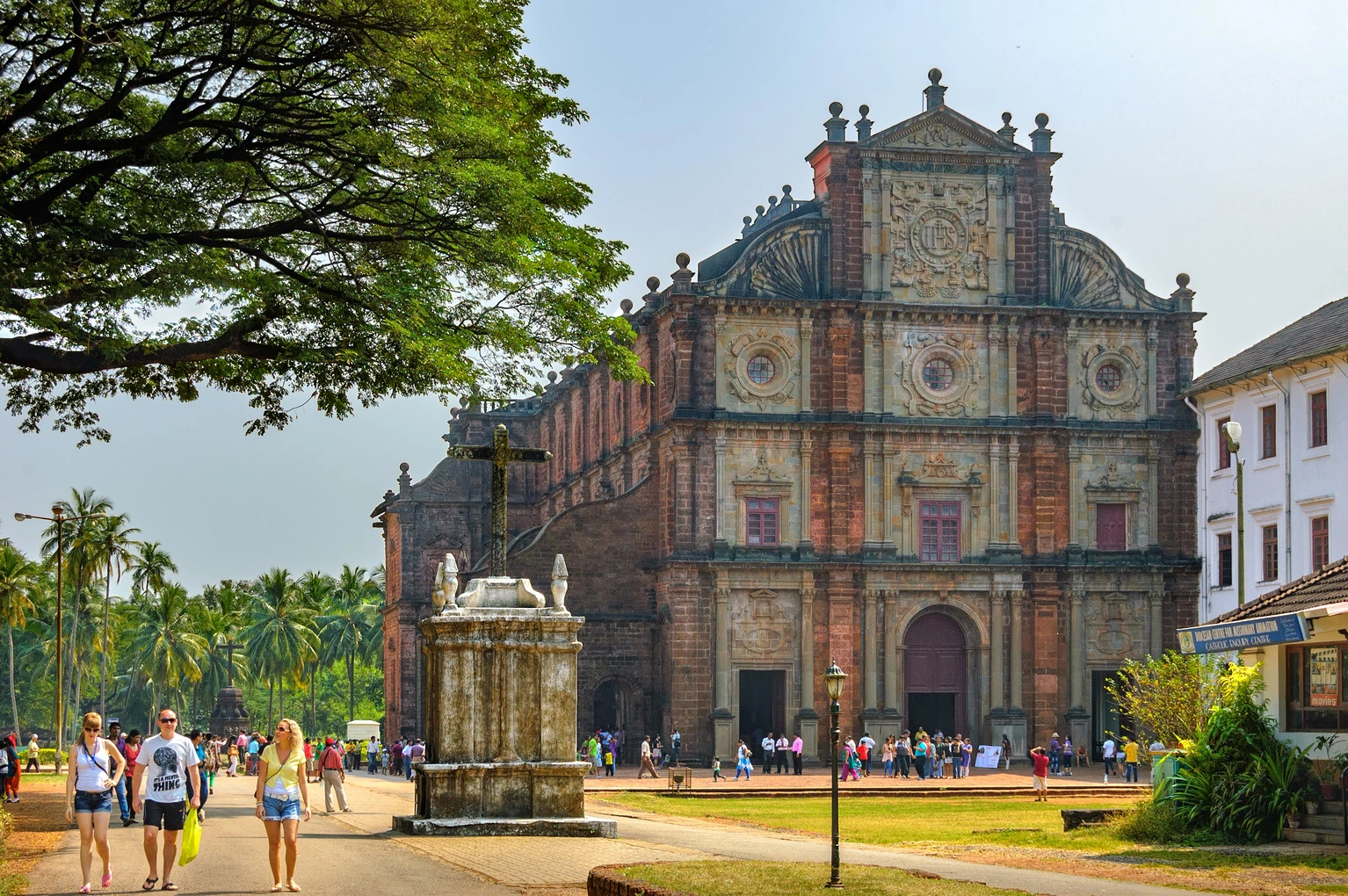
Church complexes form another important layer of a Heritage walk Goa. Large white facades rise from relatively modest streets, creating open squares that allow space and perspective. These church precincts are surrounded by residential lanes, bakeries and small shops that continue to serve local communities.
Walking beyond the main facade is essential. A Goa herigate walk becomes richer when you explore the surrounding streets rather than stopping at the most photographed viewpoint. In nearby market towns shaped by colonial planning, you can observe wider streets, arcaded walkways and municipal buildings that reflect European influence adapted to tropical conditions.
Material transitions are easy to spot when walking slowly. Laterite blocks exposed beneath lime plaster. Timber beams weathered by monsoon seasons. Handcrafted railings that have aged naturally over time.
A stay close to Goa’s old quarters makes it easier to step out early and explore before the streets grow busy. Curated luxury villas in Goa offer that rare balance of comfort and cultural proximity.
What to Observe While Walking
The value of a Heritage walk Goa lies in observation. Notice how narrow streets create shade and help manage heat. See how balconies extend outward not only for decoration but to encourage airflow and connection with the street below.
Listen carefully. Church bells marking time. Vendors calling out in markets. Footsteps echoing differently on stone compared to concrete. Light shifts throughout the day, altering how colours and textures appear.
Timing plays an important role. Early mornings offer calm and softer temperatures. Late afternoons create warm light that enhances architectural detail. The atmosphere changes, and so does your perception.
A Walk for the Thoughtful Traveller
A Heritage walk in goa appeals to travellers who enjoy texture and nuance. It suits those who are curious about how streets evolved and how buildings adapt to climate. It is less about high-energy sightseeing and more about slow discovery.
A carefully experienced Goa herigate walk does not romanticise the past. Instead, it recognises that these spaces are still lived in and maintained by communities who carry history forward quietly.
Where Memory Lives
Goa’s cultural memory is not confined to museums. It survives in neighbourhood streets walked daily by residents. It lives in homes repainted before festivals and in markets that continue to operate in historic buildings.
Staying close to these precincts allows you to explore without rush. When you walk slowly, you begin to see that Goa’s heritage is not staged for visitors. It is part of everyday life, layered gently across time.